Do Slugs Eat Plants
Do slugs eat plants
1) Crushed eggshells/gravel/woodchip or mulch Molluscs don't like travelling over rough ground, so if they sense sharp edges, you can use this texture to deter them. 2) Coffee grounds. Slugs don't like the bitter taste of coffee grounds. Sprinkle coffee grounds on the soil around your plants to deter them.
Should I kill slugs in my garden?
In fact, a healthy (but well managed!) slug population is good for the garden. Slugs break down garden debris and turn it into nitrogen-rich fertilizer that enhances soil nutrition (similar to worm composting). They also are a natural food source for many beneficial insects, birds, frogs, snakes, and toads.
What kind of plants do slugs eat?
Slugs and snails feed on a wide variety of plant material and can be especially troublesome on hostas, violets, ageratum, lilies, cleome, strawberries, lettuce, and cabbage. There are many species of these mollusks, but only a few present a serious problem.
How do you tell if slugs are eating your plants?
The surest way to identify Slugs and Snails is to visit your garden after dark with a flashlight. Look beneath leaves. These munchers eat irregular holes in leaves, attacking both older and new growth.
Does coffee grounds keep slugs away?
Coffee grounds are already recommended as a home remedy for keeping slugs and snails at bay. Grounds repel slugs, Hollingsworth found, but a caffeine solution is much more effective, he says: "Slugs turn back immediately after contacting the [caffeinated soil]."
How do I permanently get rid of slugs?
How to control slugs
- Create a healthy ecosystem.
- Create a slug-free zone.
- Create a slug zone.
- Use organic slug pellets.
- Water in a biological control.
- Water in the morning.
- Try copper.
- Let them eat bran.
Why is my garden suddenly full of slugs?
If there aren't any birds in your garden, and you have blocked entry to small mammals, you are providing a haven for slugs and snails. Any plant that is tasty to humans is also tasty to snails and slugs. Plants have chemical defenses that deter their being eaten. Vegetables have been bred not to have those defenses.
Do slugs have a purpose?
Slugs and snails are very important. They provide food for all sorts of mammals, birds, slow worms, earthworms, insects and they are part of the natural balance. Upset that balance by removing them and we can do a lot of harm. Thrushes in particular thrive on them!
What causes slug infestation?
Apparently one of the reasons slugs may venture into the house (particularly an old house) is because they are likely to be cool, dark and moist so if you have a damp problem that could be one reason. Another is pet food. Slugs have a great sense of smell so will make a beeline for it especially if it's a rainy night.
What kills slugs naturally?
So here's my tried and tested top 10 ways to naturally control slugs and snails:
- Coffee Grounds.
- Beer Trap. ...
- Eggs shells and sea shells. ...
- Diatomaceous earth (DE). ...
- Copper tape. ...
- Slug repellent plants/Slug attractive plants. ...
- Recycled wool waste pellets. ...
- Nematodes.
Are slugs harmful?
But are these slow-moving creatures poisonous or dangerous? While slugs are slimy and damaging to plants, they are not poisonous to humans. However, some of them may carry diseases and parasites, such as the rat lungworm, that can be dangerous to other animals and us.
Where do slugs go during the day?
They will hide in dark, damp places during the day. Many people are prompted to ask, “Where do slugs come from?” This is because they are hard to spot in the soil due to their dark color, but also because they only feed at night and hide throughout the day.
Can plants survive after slugs?
If slugs have chewed the plant, especially bedding plants, many of which they relish, dig up and put into a pot. Place somewhere safe, such as a greenhouse, under glass, where you can keep an eye on it and give it two /three weeks in a recovery and it will regrow.
What is the best slug repellent?
There are a handful of plants which are believed to be a natural repellent for slugs. What you need: Slug repelling plants “ Living Green suggest that wormwood, rue, fennel, anise, and rosemary are the best slug repelling plants.
What plants do slugs hate?
Are You Being Driven Mad by Slugs and Snails? Here are 7 Plants They Hate
- Ferns. Low maintenance, incredibly hardy and well down the slug and snail menu; ferns make an attractive, hassle-free addition to the garden.
- Hydrangeas. ...
- Euphorbias. ...
- Lavender. ...
- Rosemary. ...
- Geraniums. ...
- Japanese Anemone.
Will Epsom salt keep slugs away?
Epsom salts, though, are an effective control method. Epsom salts contain magnesium, which is a nutrient most plants will utilize. Applying a band of Epsom salt around your beds or plants will work as a slug barrier.
Does vinegar stop slugs?
A spray bottle filled with plain white vinegar is a great cure for slugs that aren't on plants. An extremely effective mollusk dissolver, vinegar is also an herbicide-so don't spritz the salvia.
Does cinnamon get rid of slugs?
Cinnamon It's even said that you can use cinnamon in soil to repel gnats. To deter slugs, simply sprinkle a layer of cinnamon around the base of your plants and leave.
What do slugs hate?
Slugs dislike plants with heavily fragranced foliage, like many common herbs. They also dislike plants with fuzzy or furry foliage. Slugs are a favorite food of many different predators. Encourage birds, snakes, lizards, toads, frogs, ground beetles, and other natural predators to make a home in your garden.
How long do slugs last for?
Adult slugs overwinter and can lay clutches of eggs when environmental conditions are right. A slug's life expectancy is from 6 to 12 months, and some up to 18 months.
11 Do slugs eat plants Images
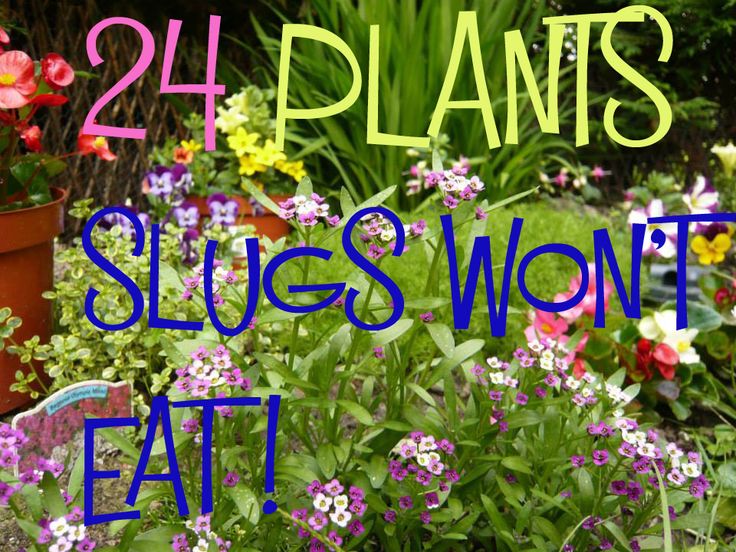
24 Plants Slugs Wont Eat Plants Garden border plants Free plants

The Best Plants That Repel Slugs in 2023 Slug repellant Cool plants

Best Ways to Get Rid of Grubs Grub worms Slugs in garden Grubs

Pin on Garden

Slugs will eat cornmeal even though it kills them Put cornmeal in a

hexehunt sluggers Slugs in garden Getting rid of slugs Garden insects

Get Rid of Slugs Naturally Getting rid of slugs Organic lawn care

Pin on creatures

Plants Slugs Dont Like to Eat Lost In the Flowers Slugs in garden

Growing Green things on the deck LifeProofgreen Growing greens

Post a Comment for "Do Slugs Eat Plants "